Outcomes
Dressing becomes a source of confidence and joy, not friction
Mornings feel calm, decisive and intentional
Outfits that feel like you, fewer safe defaults
Under-used pieces resurface at the right moment
New purchases integrate cleanly into real outfits
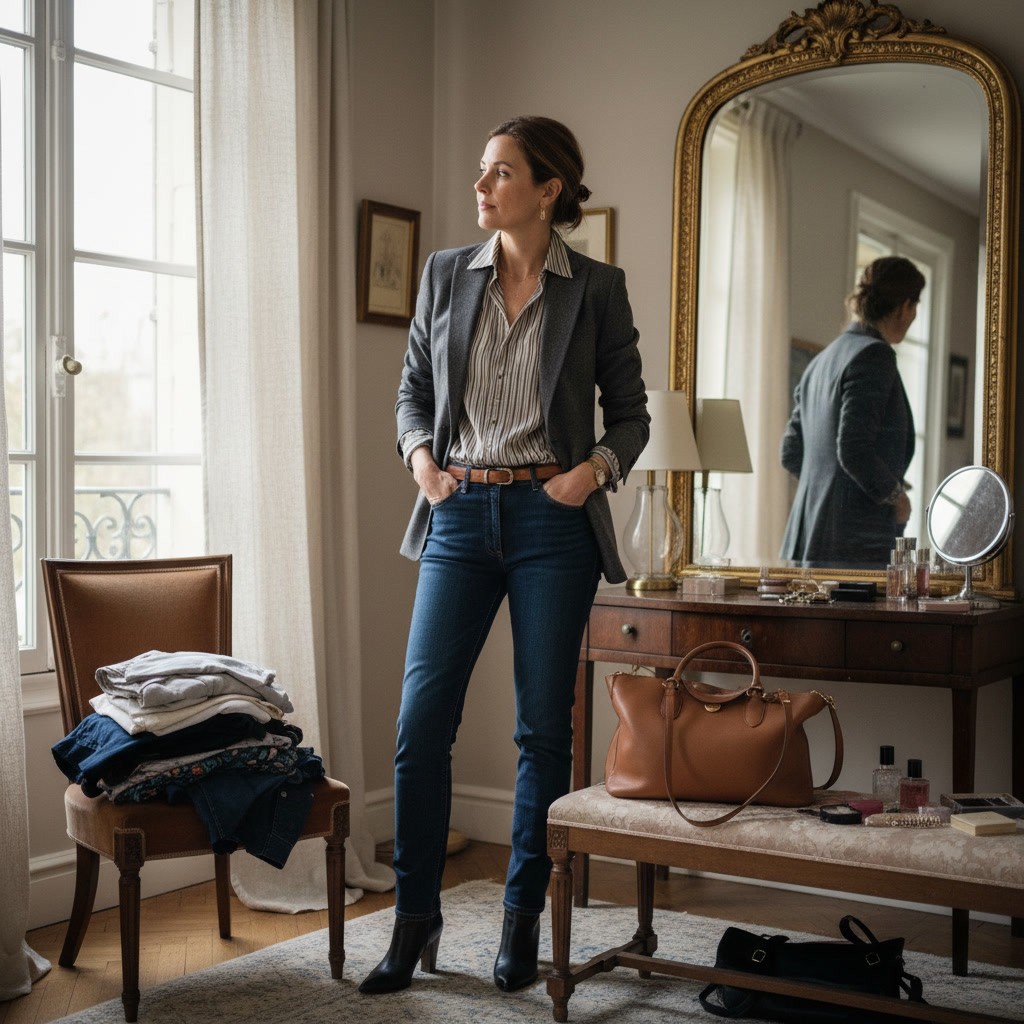
Kristi dresses well and values her personal style. She notices design, detail and proportion. But her mornings are rushed. Under pressure, she defaults. Fashion was once a source of joy but now feels like a missed opportunity.
Repeating the same safe combinations out of habit
Neglecting great pieces until a season passes
Buying items that never quite integrate
Dressing reactively instead of intentionally
Mental cost
A personal passion becomes a source of frustration
1
The foundation layer
The system holds Kristi’s sense of taste steady when time pressure would normally override it. It remembers what she gravitates toward when she is calm, not what she reaches for when she is rushed.
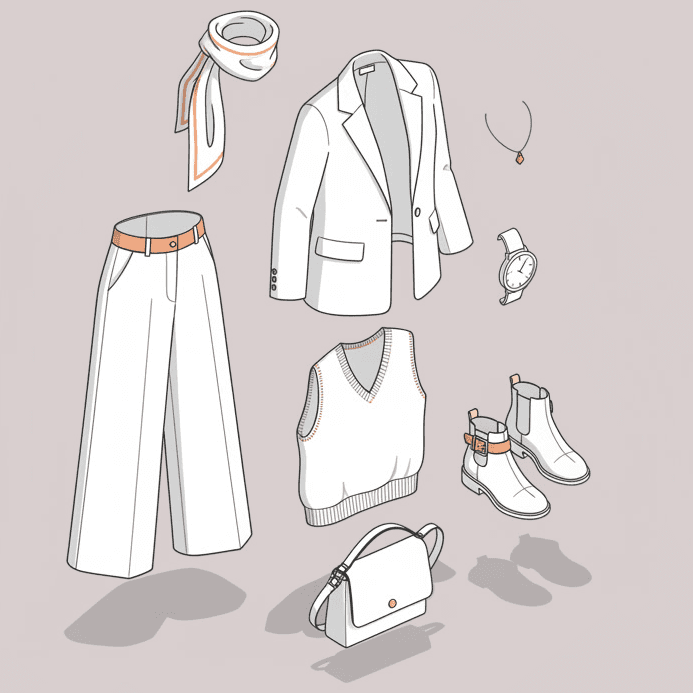
Instead of asking her to decide from scratch each morning, it presents considered options that already align with who she is and where she is going.
2
The personal layer
It builds a taste profile over time. Brands she trusts. Designers she returns to. Influences she saves. The silhouettes, colours, and moods that reliably feel like her.
It checks her calendar to understand the day ahead. A meeting. A dinner. A gallery opening. It reads the venue, the dress code, the weather, and the social tone, then surfaces outfits that fit both the moment and her identity.
Under-used pieces are brought forward when they are most likely to feel right, and it suggests letting go of items she repeatedly rejects. Her wardrobe starts to feel lighter without becoming smaller.
3
The ergonomic layer
The system never overloads with options. It offers a short list that feels obvious once seen.
This does not optimise clothing. It optimises self-expression under pressure.
Details we love
The system learns preference rather than popularity.
Gentle editing
Letting go becomes a by-product of clarity, not effort.
Context awareness
Outfits make sense for the day, not just the mirror.