Outcomes
Confidence that effort is spent where it matters
Fewer plateaus and less second-guessing
Training adapts to real life without losing momentum
Clear guidance that cuts through conflicting advice
A more sustainable relationship with fitness and longevity
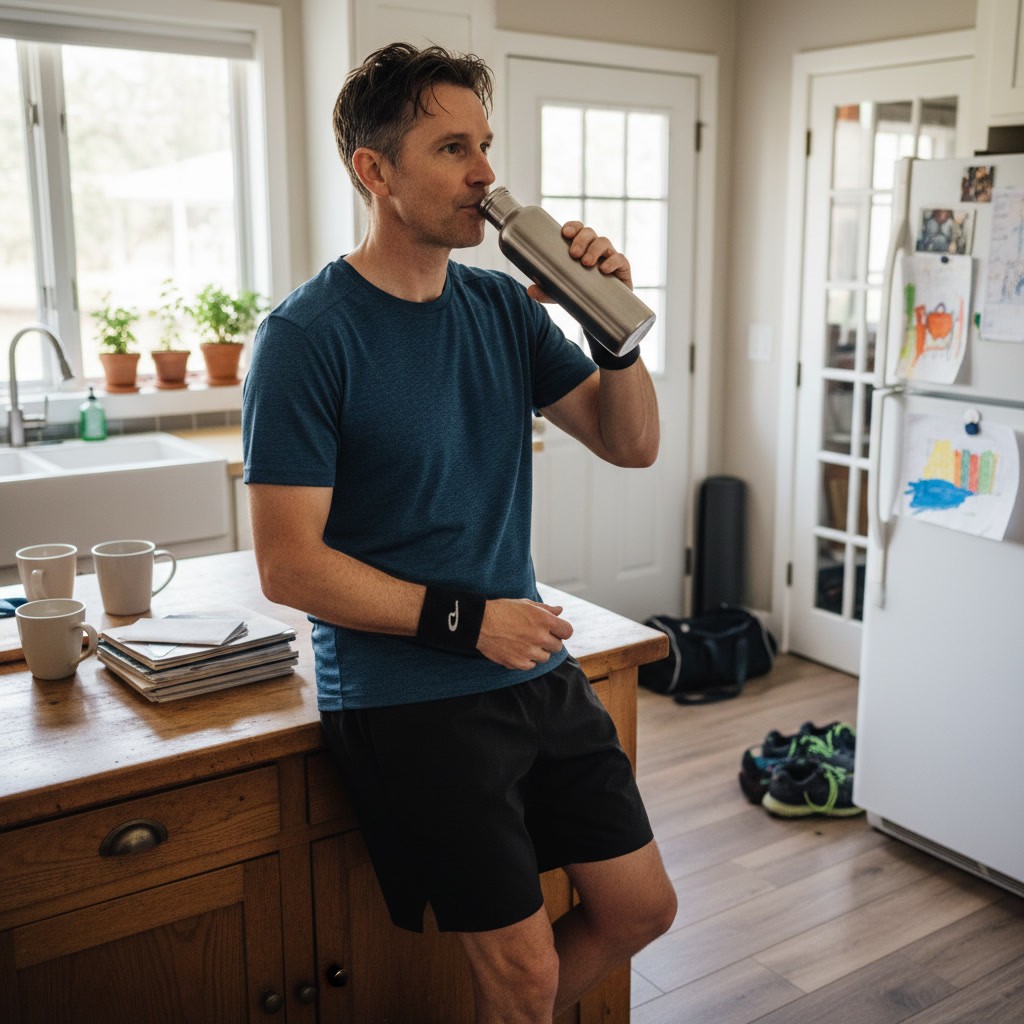
Mark is in his forties. He trains regularly, tracks his health, and cares about doing things properly. He manages a few old injuries, juggles work and family, and is not interested in passively accepting decline. What frustrates him is not effort. It is uncertainty.
Training hard without seeing meaningful progress
Conflicting advice from trainers, podcasts, and articles
Programmes that collapse when life becomes unpredictable
Losing momentum when a perfect plan breaks
Not knowing how to adapt when progress stalls
Cognitive noise
Constant second guessing across training, nutrition and recovery
1
The foundation layer
A steady reference point when everything else feels noisy. It takes Mark’s health data, training history, lifestyle constraints, and recovery signals, and turns them into simple guidance he can trust, available 24/7.
Instead of chasing optimisation, it keeps him oriented. What matters now. What can wait. What to ignore.
2
The personal layer
It understands Mark’s context. A busy week. A poor night of sleep. Old injuries that flare if pushed too hard. It can recommend new local venues, classes or target events when routines need a shake-up.
It continuously reconciles new research and advice into four personalised buckets. Rock solid. Promising. Too early to tell. Junk. Mark no longer feels compelled to do everything, just in case.
3
The ergonomic layer
The system assumes life will interfere. When a planned week breaks down, it helps Mark adapt instead of abandon. Missed sessions become adjustments, not failures. Recovery becomes a signal, not an excuse.
It does not optimise for peak performance. It optimises for intelligent consistency, because that's what matters most over time.
Details we love
Less advice. Better decisions.
Context-aware restraint
Knowing when not to push is treated as a skill.
Longevity bias
Every recommendation is filtered through Mark's goal of extending healthspan and vitality.